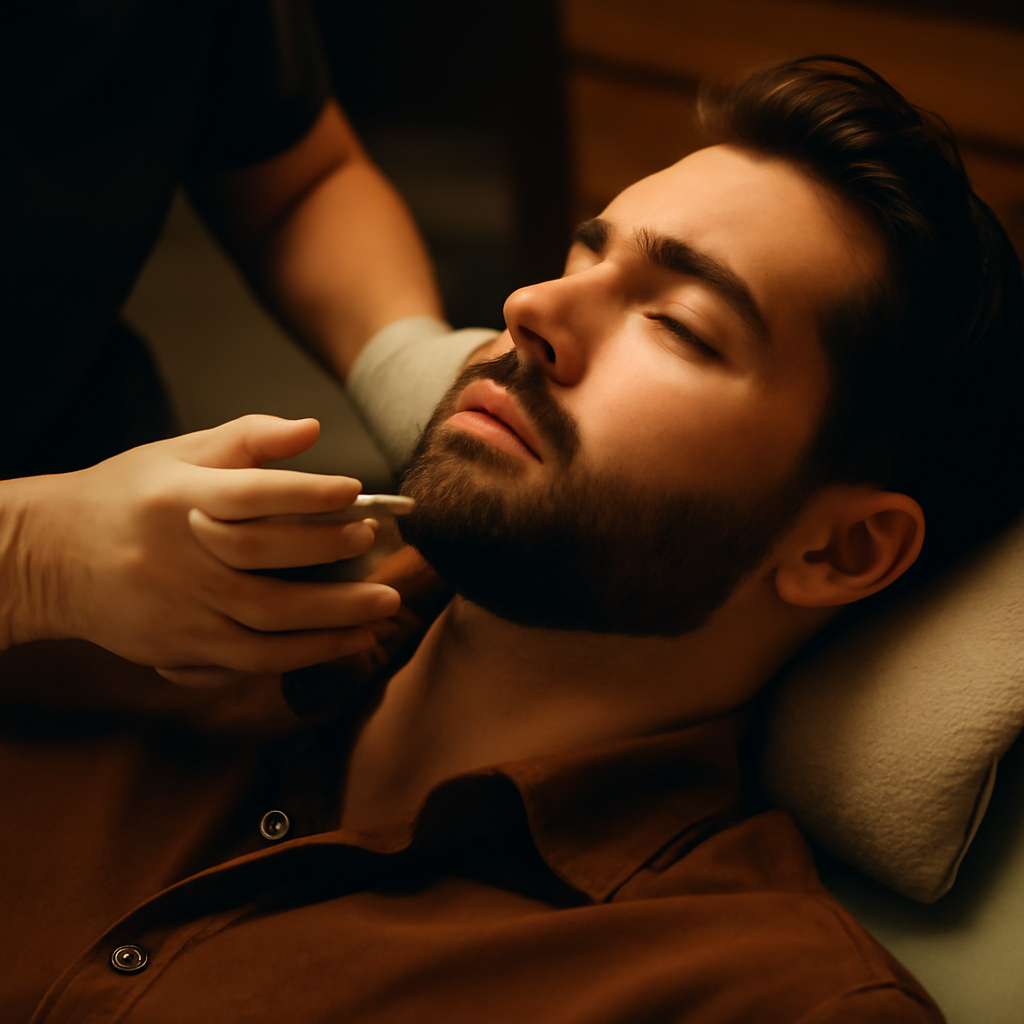
A beard transplant is a permanent facial hair solution that uses your own hair follicles—typically harvested from the back of the scalp—to create fuller, more defined beard growth. Whether you’re looking to fill patchy areas, define the mustache and goatee, or build a full beard from scratch, modern techniques can deliver natural direction, density, and texture that blend with your existing facial hair. This page brings together key information you need to evaluate options, understand costs and recovery, and compare clinics and surgeons before you book a consultation.
What a Beard Transplant Involves
Beard restoration has advanced significantly in recent years, prioritizing minimal scarring and natural-looking results. Surgeons reshape beard patterns by strategically placing grafts—small groupings of hair follicles—in areas lacking coverage. The goal is to replicate facial hair growth angles and swirl patterns, so your result looks seamless, even up close.
Techniques and Candidacy
The two most common approaches are FUE and FUT. With FUE (Follicular Unit Excision), the surgeon individually extracts follicles from the donor area using tiny punches, leaving pin-dot scars that are usually hard to detect with short hairstyles. FUT (Follicular Unit Transplantation) removes a narrow strip of scalp from which follicles are dissected; this can yield many grafts efficiently but leaves a linear scar. The best method depends on your donor density, hairstyle preferences, and graft requirements.
Ideal candidates have adequate donor hair, realistic expectations, and healthy skin without active conditions that could impair healing. If you have a history of keloid scarring, autoimmune hair loss, or uncontrolled medical issues, you’ll need a tailored plan. During consultation, expect a density assessment, review of facial symmetry, and a discussion about shaping the sideburns, jawline, mustache, and soul patch for a cohesive look.
Costs, Financing, and Value
Pricing is typically quoted per graft or as a package. The number of grafts varies widely—light touch-ups may require a few hundred, while full conversions can exceed 2,000. Factors affecting price include surgeon expertise, geographic location, technique used, and whether sessions are staged. Many clinics offer financing to spread costs. When comparing, weigh the surgeon’s portfolio, graft survival rates, and aftercare support alongside the headline price.
- Typical scope: 500–2,500+ grafts depending on goals
- Cost drivers: technique, surgeon experience, location, session length
- Long-term value: permanent follicles that grow, shave, and trim normally
Remember that a well-planned design can reduce the total number of grafts needed while still achieving a strong frame for the face. Strategic placement along the jawline and mustache often delivers an outsized aesthetic impact.
Recovery Timeline and Results
Most patients return to desk work within a few days, with visible redness and tiny scabs resolving over 7–10 days. Transplanted hairs usually shed in weeks 2–4—this is normal. New growth typically starts around months 3–4, maturing in texture and thickness through months 9–12. Full results are commonly visible by 12 months, with some refinement continuing into month 18.
Aftercare typically includes gentle cleansing, avoiding friction, sleeping slightly elevated for the first few nights, and pausing strenuous exercise briefly. Your surgeon may provide saline sprays, mild shampoo instructions, and timelines for resuming shaving or trimming. Follow-up visits help track growth and address any ingrown hairs or minor textural issues during the maturation phase.
How to Compare Clinics and Surgeons
Selecting the right provider is crucial for natural direction and density. Look for consistent, high-resolution before-and-after photos of beards at angles that show hairline detail and growth direction. A strong portfolio should display varied skin tones and hair textures, including coarse, curly, and straight donor hair. Ask about the surgical team’s role in graft placement and whether the surgeon personally designs and makes recipient sites.
Transparency matters. Request a clear graft count estimate, a map of planned density zones, and a discussion of donor management for potential future touch-ups. Clarify whether FUE punches are manual, motorized, or robotic, and confirm how grafts are handled to preserve survival—cooling solutions, minimal out-of-body time, and gentle placement are all signs of meticulous technique.
Patient experience should also weigh heavily. Consider responsiveness during consultation, detail of pre-op guidance, and thoroughness of post-op support. A clinic that proactively checks in during the first two weeks often delivers smoother recoveries. Finally, align on aesthetics: review reference photos and agree on beard shape, cheek line, and density targets that complement your facial structure and grooming habits.
When you’re ready, shortlist clinics that meet your criteria and schedule consultations to compare assessments. Bring photos of preferred styles, disclose previous procedures or skin conditions, and ask for a personalized plan with timelines, costs, and realistic expectations. With the right match, a beard transplant can provide lasting, natural growth that you can trim, shape, and style just like the rest of your facial hair.