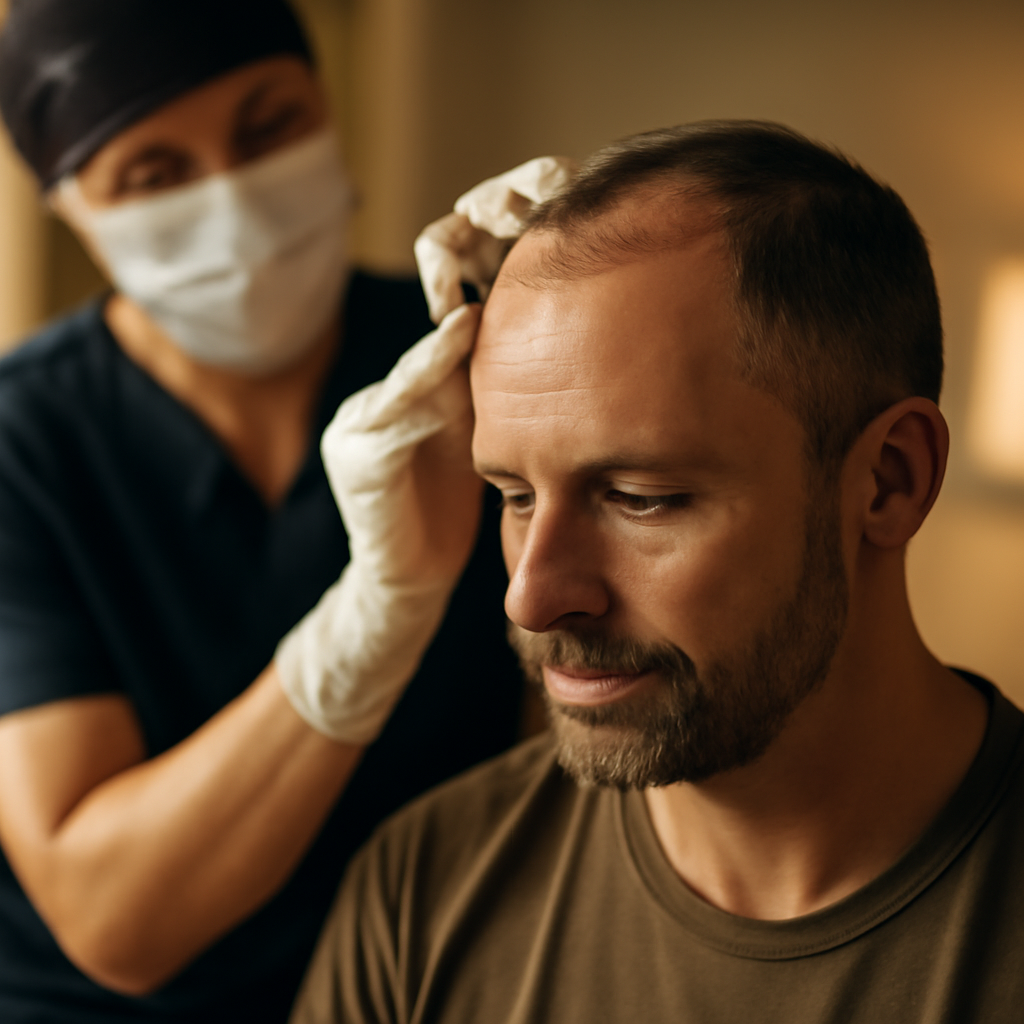
Thinking about a hair transplant is a big step, and the more you know upfront, the better your outcome. This guide walks you through the key methods, realistic results, costs, and how to choose a trustworthy clinic. Whether you’re early in your research or ready to compare quotes, you’ll find practical insights to help you move forward confidently.
Hair restoration has advanced quickly over the last decade. Current techniques prioritize natural hairline design, minimal scarring, and faster recovery. Still, results depend on the surgeon’s skill, your hair loss pattern, and how well you follow aftercare. Understanding the basics will help you ask smarter questions and avoid costly missteps.
Hair Transplant Fundamentals
A hair transplant redistributes your own follicles—typically from the back and sides of your head (the donor area)—to thinning or bald zones. Because the transplanted hairs are genetically resistant to the hormone that causes male pattern baldness, they can grow long term. Success hinges on careful planning of density, angle, and coverage, not just the number of grafts.
FUE vs. FUT: Techniques and Trade-offs
The two main approaches are FUE (Follicular Unit Extraction) and FUT (Follicular Unit Transplantation, or strip). With FUE, individual follicular units are harvested with tiny punches, leaving dot-like scars that are hard to spot with short hair. FUT removes a thin strip of scalp, then the team dissects it into grafts; you’ll have a linear scar, typically concealed by surrounding hair.
Which is better? It depends on goals and anatomy. FUE suits those who prefer very short hairstyles, want a less invasive look, or require selective donor harvesting (including beard or body hair in select cases). FUT may be advantageous for large sessions when a high graft yield is needed from limited donor reserves. Many clinics offer both and may recommend a hybrid plan.
Who’s a Good Candidate and What to Expect
Ideal candidates have stable hair loss, good donor density, and realistic expectations. If your hair loss is rapidly progressing, your surgeon may suggest medical therapy first to stabilize shedding. Transplanted hairs shed initially, then start to grow around month three to four, with visible improvement by six to nine months and full maturation at 12 to 18 months.
- Hairline design: Should match your facial features, age, and future hair loss patterns.
- Density strategy: Better to prioritize key zones than spread grafts too thin.
- Medical support: Treatments like finasteride, minoxidil, or low-level laser can help preserve native hair.
- Scarring: All surgery leaves scars; placement and technique determine how visible they are.
- Aftercare: Following wash and activity guidelines protects fragile grafts.
Expect some swelling, redness, and scabbing in the first 7 to 10 days. Pain is usually mild and manageable with over-the-counter medication. Most people return to desk work in a few days and more vigorous activities in two to three weeks, per surgeon guidance.
Costs, Clinics, and Choosing with Confidence
Pricing varies widely by region, surgeon expertise, technique, and graft count. Some clinics quote per graft; others offer flat-rate packages including anesthesia, medications, and aftercare. Don’t chase the lowest price. Prioritize natural-looking results, safe medical standards, and transparent planning over headline discounts.
What Influences Price—and What Should Be Included
Key cost drivers include number of grafts, FUE vs. FUT, whether a senior surgeon performs extractions and incisions, and clinic overheads. Reputable quotes typically include a thorough consultation, hairline design, the procedure itself, post-op checkups, and written aftercare. Ask who performs each step, how grafts are handled, and what technology is used (e.g., manual vs. motorized punches).
When comparing clinics, examine unfiltered before-and-after photos under consistent lighting. Look closely at temple points, hairline micro-irregularities, and crown swirl direction—these details separate excellent work from average. Read independent reviews, and confirm the surgeon’s role on surgery day. High-volume mills may delegate critical steps to technicians; elite practices keep the surgeon closely involved.
During your consultation, expect a personalized plan tailored to your hair loss pattern, donor capacity, hair caliber, and long-term strategy. A responsible clinic will discuss medical therapy, the potential need for staged procedures, and how they preserve donor reserves. They’ll also outline risks like shock loss, scarring, and the possibility of needing touch-ups.
Recovery is straightforward when you follow instructions. You’ll receive guidance on sleeping position, washing techniques, and when to resume exercise. Mild shedding of native hairs can occur temporarily; this usually regrows. Protect your scalp from sun exposure and avoid picking at scabs. Good aftercare helps maximize graft survival and keeps your timeline on track.
Ultimately, the “best” clinic is the one that combines artistry, ethics, and experience—then proves it with consistent outcomes. Take your time, verify credentials, and choose a team that listens as carefully as they operate. A well-planned hair transplant can restore not just hair, but confidence—discreetly and naturally.