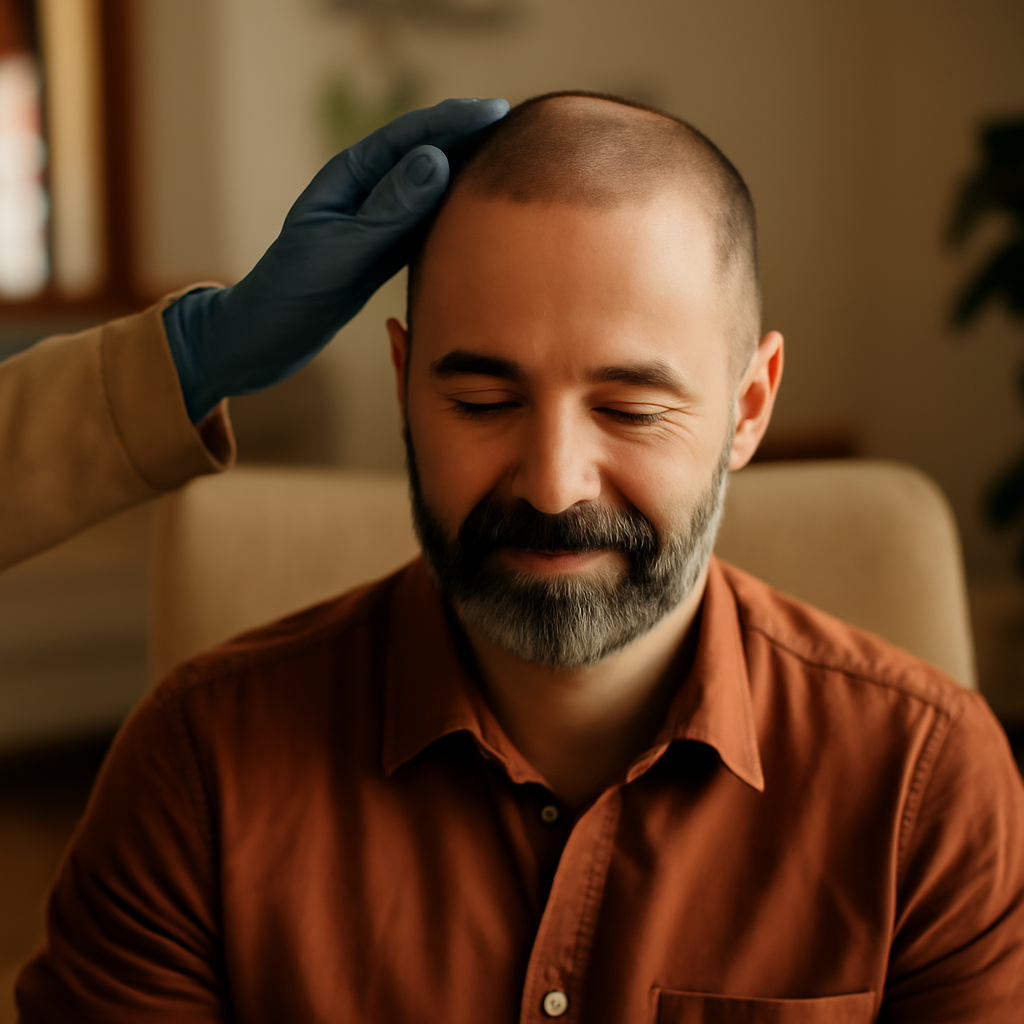
Follicular Unit Extraction (FUE) is a minimally invasive hair transplant method that moves individual follicular units—tiny groupings of one to four hairs—from a donor area to thinning or balding zones. It avoids the linear strip scar associated with traditional FUT and can be refined for natural hairlines, beard or eyebrow work, and strategic density boosts. If you are researching FUE, this page helps you compare clinics, understand costs, and set realistic expectations for growth and aftercare.
What Is FUE and Who Is It For?
FUE is popular among men and women seeking a discreet treatment with short downtime and natural-looking results. Good candidates typically have adequate donor density at the back and sides of the scalp, stable hair loss patterns, and realistic expectations. Surgeons assess hair caliber, curl, skin characteristics, and long-term planning to ensure grafts are placed where they will matter most over the years.
How FUE Works, Step by Step
During FUE, the surgeon uses a tiny punch (manual or motorized; sometimes robotic-assisted) to score around a follicular unit. Each graft is gently removed and stored in a protective solution, then implanted into micro-incisions created at the recipient site. The angle, direction, and density of placement are key to a natural result. Sessions may involve hundreds to several thousand grafts, with shaving tailored to the case.
- Donor harvest: precise extraction reduces trauma and helps preserve graft integrity.
- Graft handling: hydration, temperature control, and minimal out-of-body time protect survival.
- Implantation: careful slit creation or implanter pens guide direction and density.
- Finishing: a refined hairline design blends with your existing pattern for realism.
Benefits and Limitations to Know
Advantages include no long linear scar, faster initial recovery, and versatile application to small or large areas. However, FUE still creates tiny dot scars, and overharvesting can thin the donor region. Not everyone is a candidate for mega-sessions; diffuse thinning, limited donor supply, or unstable hair loss may call for staged plans or adjunct therapies such as finasteride, minoxidil, low-level laser therapy, or platelet-rich plasma.
Results develop gradually. Most shedding happens in the first month, then growth begins around months three to four, with visible changes through months six to twelve and maturation up to eighteen months. Photographic tracking helps you see progress realistically.
Choosing a Clinic and Comparing Costs
Pricing for FUE typically depends on surgeon expertise, clinic location, graft count, technique (manual, motorized, robotic), and whether advanced tools or adjunct treatments are included. Some clinics price per graft; others bundle by session. Reliable quotes detail the estimated grafts, hairline design, anesthesia, aftercare, and potential add-ons like PRP or multi-day sessions for large cases.
What to Expect Before, During, and After
Before surgery, a thorough consultation assesses your goals, donor capacity, and long-term plan, including medical therapy to stabilize further loss. On the day, you can expect local anesthesia, several hours in the chair, and periodic breaks. Post-op instructions usually include gentle washing, avoiding strenuous activity, and protecting the scalp from sun and friction. Mild redness and scabbing clear within days to two weeks.
To compare providers, look for surgeons who limit the daily graft count to protect quality, personally design the hairline, and show consistent, well-lit results across diverse hair types. Ask about technician roles, sterilization protocols, graft survival data, and revision policies. Verified patient reviews, clear contracts, and transparent photography (including donor area close-ups) are strong trust signals. Our directory highlights clinics that meet these standards and discloses affiliations where applicable.
If you are weighing FUE against alternatives, remember that FUT can yield more grafts per session for some candidates, while FUE excels when shorter hairstyles or scar concealment matter. Some patients choose a combined or staged approach over time. A tailored plan—balancing budget, downtime, and future hair loss—tends to outperform one-size-fits-all promises. With the right surgeon and a steady aftercare routine, FUE can deliver subtle, durable improvement that frames the face and restores confidence.