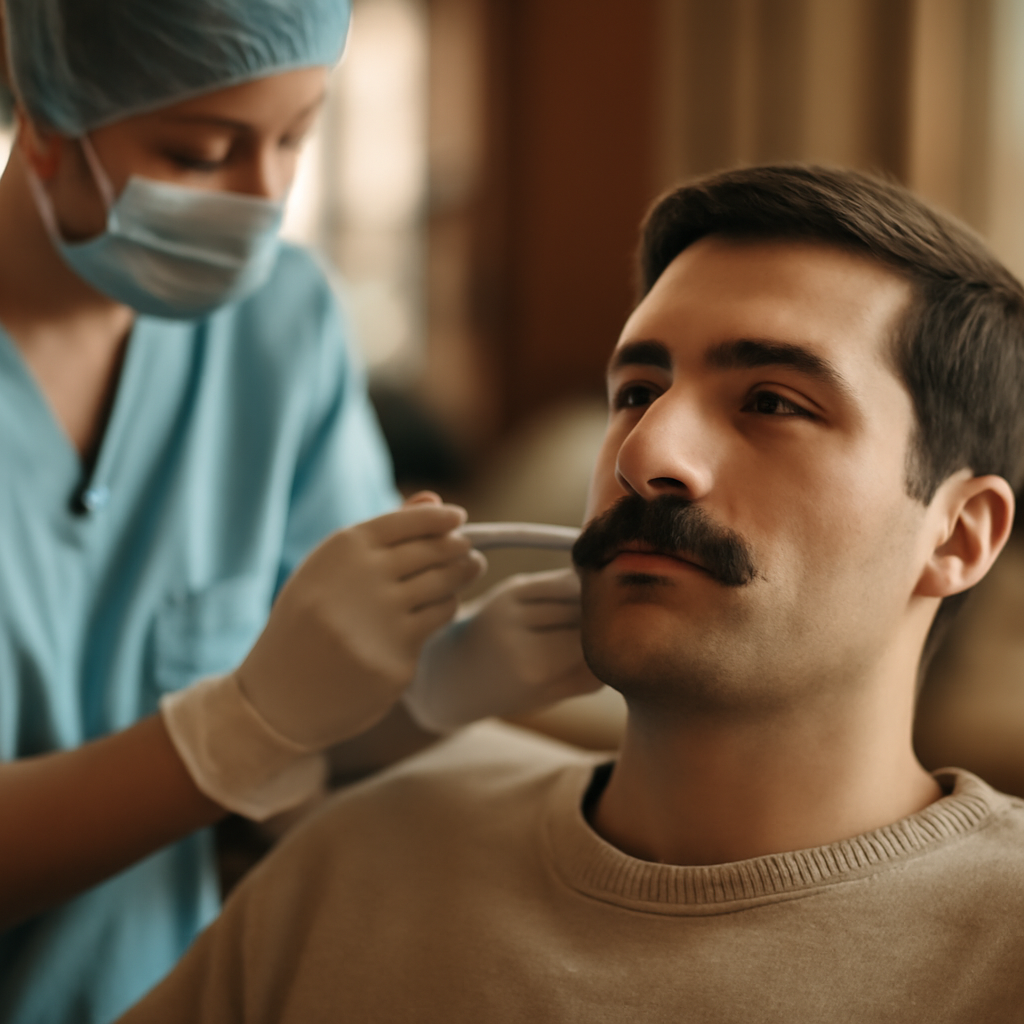
A mustache transplant can redefine your look, balance facial features, or fill in patchy growth that never seems to connect. Whether you’re aiming for a subtle enhancement or a bold, full-bodied upper lip, choosing the right clinic and surgeon is the difference between an effortless, natural result and something that never quite blends. This page gathers trusted providers, real patient feedback, and clear pricing so you can compare options without the guesswork. From technique and graft counts to recovery timelines and financing, you’ll find what matters most before booking a consultation.
What a mustache transplant involves
In most cases, surgeons use follicular unit extraction (FUE) to move individual hair follicles—often from the back of the scalp or under the chin—to your upper lip. Each graft is placed at a precise angle and direction to mimic natural growth patterns and density. Some clinics still offer follicular unit transplantation (FUT), which can be cost-effective but leaves a linear donor scar; FUE typically results in tiny dot scars that are easier to conceal.
Candidates, expectations, and natural-looking density
Ideal candidates have realistic expectations, adequate donor hair, and healthy skin in the recipient area. A mustache transplant won’t change hair texture, so curl and thickness should be similar to your donor area. Many patients need 400–1,200 grafts depending on coverage and density goals. Early results appear around three months as new hairs sprout, with full maturation taking 9–12 months. Good planning balances density with long-term donor preservation for any future facial hair work.
Techniques, anesthesia, and session details
Most procedures are performed under local anesthesia with or without mild sedation. Clinics may offer manual or motorized FUE punches, or even robotic assistance for harvesting. While the tech matters, surgeon skill and artistry in placement matter more. Sessions often run 3–6 hours based on graft count. Many providers pre-draw the mustache shape with you, ensuring your cultural style preferences and grooming habits guide the design.
- FUE: minimally invasive, scattered dot scars, flexible for shaping.
- FUT: single strip harvest, potential cost savings, linear scar.
- Beard-to-mustache grafting: matches facial hair texture for a seamless blend.
- Scalp-to-mustache grafting: abundant supply, slightly different texture for some.
- Robotic or motorized systems: speed and consistency; outcome still hinges on expertise.
Post-op, expect minor redness, swelling, and scabbing for a week or two. Tiny crusts typically shed within 7–10 days. Transplanted hairs often “shed” in the first month—that’s normal; the follicles then enter a growth phase over subsequent months.
Costs, financing, and travel planning
Costs vary widely based on location, surgeon reputation, and graft count. In many markets, you’ll see per-graft pricing or flat tiers for facial hair cases. Some clinics bundle anesthesia, aftercare kits, and follow-ups; others price these separately. Financing plans are common, and many centers welcome medical credit providers. If you’re traveling for surgery, factor in two or three days on site for consultation, procedure, and a quick check the day after. Our listings highlight transparent quotes, what’s included, and patient-reported totals so you can budget realistically.
How to use our directory to choose confidently
Use filters to narrow providers by location, board certification, years of experience, patient ratings, and price range. Click into a profile to see before-and-after galleries specific to mustache work, not just scalp cases. Look for consistent angles in photos, strong density at the philtrum, and natural tapering toward the corners—signs of careful planning and placement.
Review technique notes and graft ranges for cases that resemble your hair color, texture, and skin tone. If you wear your mustache in a particular style—pencil-thin, chevron, or handlebars—seek examples that match the width and contour you want. Our comparison view lets you stack clinics side by side on credentials, average cost, and recovery feedback, while surfacing promotions or package pricing that might stretch your budget further.
When you’re ready, send a few clear photos and your goals through each clinic’s inquiry form for a preliminary estimate. In consultation, ask about:
Design: How will they map the central density and blend the lateral ends?
Donor source: Scalp or beard—what best matches your texture?
Graft plan: Estimated number, distribution, and backup plan if you need a touch-up.
Aftercare: Washing protocol, swelling control, and timeline to resume trimming or shaving.
Risk management: Steps to minimize infection, shock loss, or visible pitting.
Reputable clinics prioritize medical screening, sterile technique, and realistic expectations. They’ll explain downtime—usually a couple of low-key days—and outline when you can camouflage the area with a trimmer or light grooming. Red flags include vague pricing, no facial hair examples, or pressure to commit without a proper assessment.
Ultimately, a mustache transplant should fit your features, your lifestyle, and your budget. With transparent data and verified reviews, this directory helps you compare apples to apples, book smarter, and move forward with confidence.