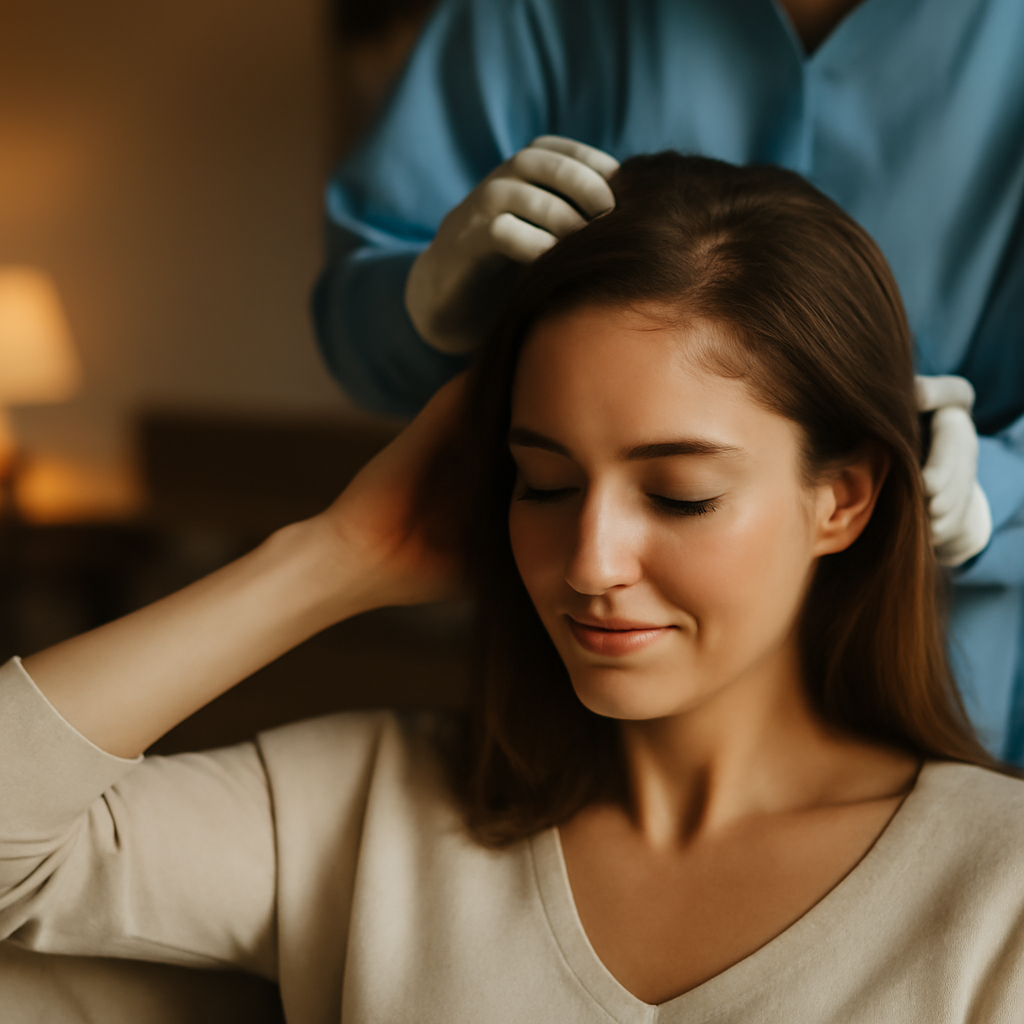
Female hair loss often looks different from male pattern baldness, and that matters when you’re exploring a female hair transplant. Instead of receding hairlines and bald patches, many women notice diffuse thinning, a widening part, or loss around the temples. A thoughtful approach that respects these patterns—while protecting delicate existing hair—is essential to achieving natural-looking density. On this page, you’ll find what makes women’s hair restoration unique, what to expect from surgery, and how to choose a clinic with proven expertise.
Unlike quick fixes that promise instant fullness, a transplant is a medical procedure that redistributes your own hair for coverage where you need it most. Success depends on three things: a proper diagnosis of the cause of thinning, a strategic plan that won’t jeopardize surrounding hair, and a surgeon experienced in female cases. When those pieces align, results can be discreet, elegant, and confidence-boosting.
What makes a female hair transplant different?
Women’s hair loss patterns vary, and so should the surgical plan. Surgeons must consider styling preferences, part placement, and the risk of shock loss to fragile neighboring strands. Density creation is typically prioritized in the visual “frame” of the face—temples, hairline refinement, and the central part—rather than pushing an aggressive, masculine hairline forward. Preservation of existing hair is always a guiding principle.
Candidacy and underlying causes you should rule out first
Before booking surgery, a thorough evaluation is crucial. Many women experience androgenetic alopecia, but others have shedding from thyroid disorders, iron deficiency, autoimmune disease, postpartum changes, traction, or medication effects. A dermatologist may recommend blood tests, scalp imaging, or a biopsy to confirm the diagnosis. If the cause is temporary or inflammatory, stabilizing the condition first leads to better long-term outcomes and protects your investment.
Good candidates usually have stable thinning patterns and robust donor hair at the back or sides of the scalp. Realistic goals matter: a transplant redistributes, it doesn’t create new follicles. If donor reserves are limited, a conservative plan focusing on the part and frontal density can still create a meaningful cosmetic improvement without overharvesting.
Techniques, graft types, and creating a believable result
Most clinics perform either FUE (Follicular Unit Excision) or FUT (strip) to harvest grafts. FUE removes individual follicular units with tiny punches, usually leaving dot-sized marks ideal for those who prefer to wear hair shorter. FUT removes a narrow strip for dissection under a microscope and can maximize graft yield when donor density is high. Your surgeon may recommend one or combine methods over time to conserve the donor area.
In women, artistry is everything. Natural female hairlines are softly irregular with finer single-hair grafts at the front and gradually increasing density behind. Attention to the direction of growth along the temples and part line ensures hair falls correctly during daily styling. Surgeons often use smaller incisions and gentle spacing to avoid damaging neighboring follicles, especially in areas of diffuse thinning.
Medical therapies frequently complement surgery. Options like topical minoxidil, low-level laser therapy, and selected antiandrogens when appropriate can help maintain native hair and enhance the look of the transplant. A combined plan can stretch donor resources further and slow future thinning.
Choosing a clinic and what to expect at every step
Selecting the right provider is as important as the procedure itself. Look for surgeons who routinely treat women and can show case studies that resemble your pattern, hair texture, and skin tone. Transparent consultations should include a diagnosis discussion, graft estimates with ranges, and a long-term plan that prioritizes donor preservation.
- Ask for high-resolution, consistent before-and-after photos shot under identical lighting and angles.
- Confirm who will design the hairline, make recipient sites, and place grafts—and their experience with female cases.
- Review the clinic’s policy on transection rates, graft counting methods, and post-op follow-up schedules.
- Clarify total costs, what’s included (medications, PRP, check-ins), and any revision terms.
Costs, recovery, and the timeline to visible results
Pricing varies by region, technique, and graft count. Many female-focused cases target smaller but strategic zones, so the total may be lower than large male restorations—yet precision work can command premium rates. Always compare per-graft pricing alongside surgeon credentials and support services. Remember, a slightly higher price for a more experienced team can produce results that look better and age better.
Recovery is typically straightforward. Expect mild soreness and swelling for a few days. Tiny scabs form and shed within 7–10 days; most patients resume normal routines quickly. Transplanted hairs often shed within the first month before entering a growth phase. Noticeable changes usually start around month three to four, with more substantial density from month six onward. Final refinement can take 12–18 months, particularly around fine-temple hairs.
Setting expectations is healthy. A transplant should make styling easier, reduce scalp show-through, and improve framing; it won’t recreate teenage density. Your surgeon may suggest staged procedures if your goals require more coverage or if donor conservation is a priority. Ongoing medical therapy helps protect the native hair that complements your new grafts, keeping the overall look fuller for longer.
When you’re ready to compare clinics, focus on expertise, communication, and a plan that matches your hair goals today and in the future. The right partnership balances aesthetics with donor protection, so you can enjoy subtle, naturally feminine results that feel like you—on your best hair day.